
Focusroom: Turn Your Room Setup Into Better Focus
Focusroom is a practical idea for anyone who wants to create a room that supports better concentration, smoother work, and more consistent productivity. A productive room is not always expensive, large, or filled with premium furniture. In many cases, the best room is the one that reduces friction. It helps you sit down faster, think more clearly, find tools without searching, and stay focused long enough to complete meaningful work.
Modern work often happens in bedrooms, apartments, small offices, shared houses, or hybrid workspaces. Because of that, the room itself becomes part of the workflow. The lighting affects energy. The desk layout affects speed. The chair affects endurance. The wall behind the screen affects visual calm. Even the cable mess under the table can create a low-level feeling of disorder. Focusroom is built around one simple belief: when a room is arranged with intention, the mind has fewer reasons to escape the task.
 A focused room does not need to be empty. It needs to be clear, intentional, and easy to reset.
The Importance of Room Arrangement for Focused Work
Room arrangement matters because attention is influenced by what surrounds it. A desk facing a busy doorway may make you feel alert, but it can also make your attention fragile. A desk placed near natural light can improve mood, but direct glare can make long sessions uncomfortable. A workspace placed too close to entertainment devices can quietly invite distraction. Good arrangement begins by asking what kind of work the room must support.
For writing, studying, coding, designing, planning, or administrative work, the room should create a clear primary zone. This zone is the area where focused work happens. Everything inside that zone should have a purpose. The laptop, notebook, monitor, lamp, water bottle, and daily tools should be easy to reach. Items unrelated to the task should move away from the immediate visual field. This does not mean the room must look sterile. It means the room should not constantly ask for your attention.
One useful method is to arrange the room by frequency. Daily tools stay closest. Weekly tools stay in drawers or shelves. Rare tools move farther away. This simple hierarchy prevents the desk from becoming storage. When the room follows your actual behavior, it becomes easier to maintain.
Good Lighting for Better Productivity
Lighting is one of the most powerful and underrated parts of a focus room. Poor lighting can create eye strain, low energy, headaches, and a feeling of heaviness. Good lighting, on the other hand, can make a room feel more awake. The goal is not simply to make the room bright. The goal is to make the room comfortable for the type of work being done.
Natural light is useful when it comes from the side rather than directly in front of or behind the screen. Side light reduces glare and helps the room feel open. At night, a layered lighting setup works better than a single ceiling light. A desk lamp can illuminate the work surface, while a softer background light prevents the screen from becoming the only bright object in the room. This balance helps the eyes adjust more naturally.
Color temperature also matters. Cooler light can feel sharper during analytical tasks, while warmer light is often better for reading, planning, and evening work. Focusroom recommends building a lighting rhythm: brighter light during active hours, softer light when the day is ending, and no harsh glare during long screen sessions. This rhythm helps the room support both productivity and recovery.
Before buying new furniture, fix the light, remove visual noise, and make your most-used tools easier to reach. These three changes often create more improvement than a complete room makeover.
Ergonomic Comfort Is a Productivity Tool
A room cannot support focus if the body is constantly uncomfortable. Ergonomics is often discussed as a health topic, but it is also a productivity topic. When your neck hurts, your wrists feel tense, or your lower back becomes tired, the mind starts negotiating with discomfort. You may open another tab, stand up too often, or avoid deep work because the body does not want to stay in position.
A good focus room pays attention to the relationship between chair height, desk height, screen level, keyboard placement, and foot support. The monitor should be high enough that the neck stays neutral. The keyboard and mouse should allow relaxed shoulders. The chair should support the lower back without forcing a stiff posture. If the desk is too high, a footrest may help. If the monitor is too low, a stand or stack of books can solve the problem without major expense.
Comfort should also include movement. A room that supports focus should allow small changes in posture. A standing corner, a reading chair, or a clear area for stretching can prevent work from becoming physically rigid. Movement refreshes attention and keeps the room from feeling like a trap.
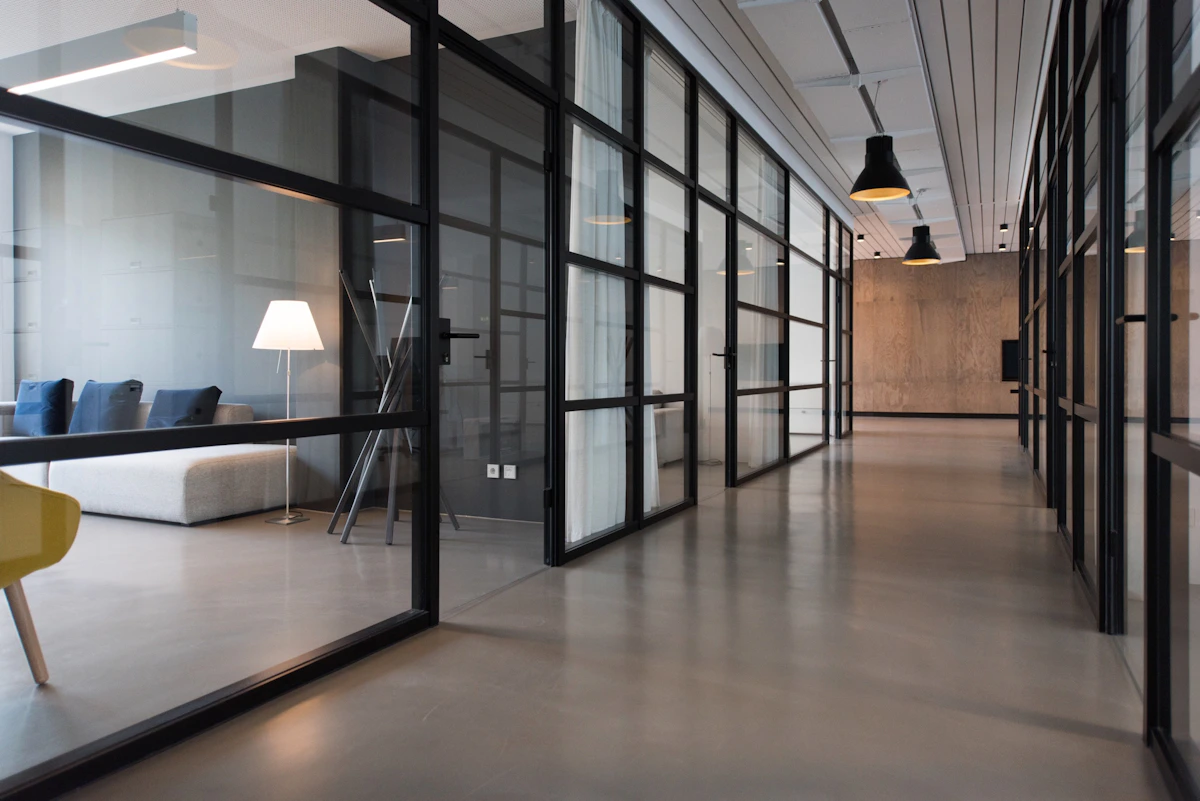
 Comfort, light, and open breathing space help a room feel easier to work in for longer periods.
Clutter, Attention, and the Hidden Cost of Searching
Clutter is not only a visual issue. It creates repeated decision-making. When a desk is crowded, the mind has to filter objects before focusing on the main task. When files are scattered, time is lost searching. When cables are tangled, even simple maintenance feels annoying. The hidden cost of clutter is not the mess itself; it is the constant interruption of flow.
A useful Focusroom approach is the “one-touch reset.” At the end of a session, every visible item should have a place it can return to with one movement. Pens go into one cup. Notes go into one tray. Chargers attach to one cable holder. Headphones return to one hook. This prevents cleanup from becoming a separate project. The easier it is to reset the room, the more likely the room will remain focus-friendly.
Digital clutter should also be considered. A clean room with a chaotic desktop, noisy notifications, and too many open tabs still creates mental friction. The workspace includes the screen. Keep only essential apps visible, create a simple folder system, and use browser windows intentionally. Physical and digital order should support each other.
Sound, Silence, and Acoustic Comfort
Many people think a focus room needs perfect silence, but the real goal is acoustic comfort. Some people work better with quiet. Others prefer soft instrumental music, brown noise, rain sounds, or gentle ambient sound. What matters is whether the sound supports attention or competes with it.
Hard rooms with bare walls, tile floors, and empty corners often create echo. Echo makes a room feel harsher and can increase fatigue during calls. Soft materials help. Curtains, rugs, fabric chairs, bookshelves, and wall art can absorb sound and make the room feel calmer. Even small changes can make speech clearer and background noise less sharp.
Boundaries are also part of sound design. If you work around other people, a visible signal can reduce interruptions. A small desk sign, closed door, lamp color, or scheduled focus block tells others when you are unavailable. Focus is easier when the room communicates your working state.
Rarely Discussed Details That Shape a Focus Room
Some of the most useful room improvements are rarely discussed because they are not as exciting as new desks or monitors. Air quality is one of them. A stale room can make work feel heavy. Opening a window, using a fan, adding a plant, or improving ventilation can change the energy of the space. Temperature matters too. A room that is slightly too hot can make you sleepy, while a room that is too cold can make you tense.
Smell is another subtle factor. A clean, neutral scent can become a focus cue. It does not need to be strong. A mild tea, wood, citrus, or fresh linen scent can signal the beginning of a work session. Over time, the brain may connect that scent with concentration.
The background behind your monitor also matters. If the wall is visually chaotic, your eyes keep receiving extra information. A calmer wall, a small art piece, or a clean shelf can give the eyes somewhere restful to land. Even the space under the desk matters. If your legs are blocked by boxes, cables, or storage, the body feels restricted. A clear under-desk area makes the room feel more open than its size suggests.
A Practical Method to Build Your Focusroom
Start with observation before decoration. Spend one work session noticing what interrupts you. Do you search for items? Do your eyes feel tired? Is the chair uncomfortable? Is the room too noisy? Do you feel tempted to leave the desk? These answers reveal what the room actually needs.
Next, make small changes in layers. First, clear the desk. Second, improve light. Third, adjust ergonomics. Fourth, reduce sound problems. Fifth, create a reset routine. After that, add personality with colors, plants, artwork, or objects that motivate you. The best focus rooms are not generic. They reflect the person using them while still protecting attention.
Focusroom is not about creating a perfect office for social media. It is about creating a dependable environment for real work. A good room makes starting easier, staying focused more natural, and finishing work more satisfying. When the room supports the body, protects the mind, and reduces daily friction, productivity becomes less about forcing discipline and more about entering a space that is already prepared for progress.